Project Overview
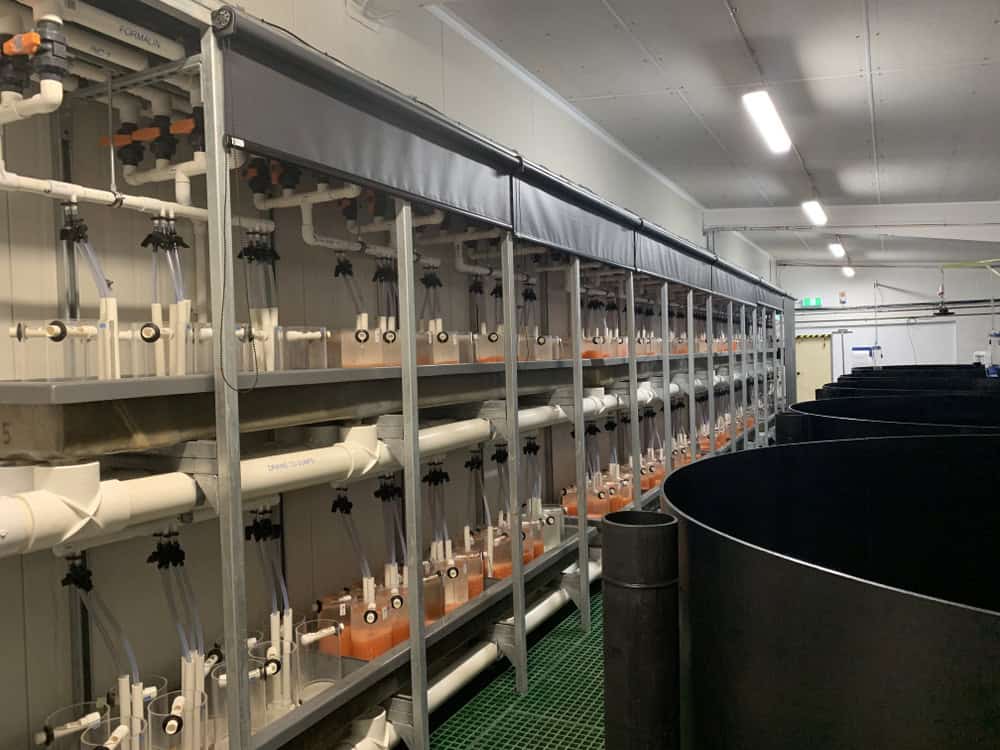
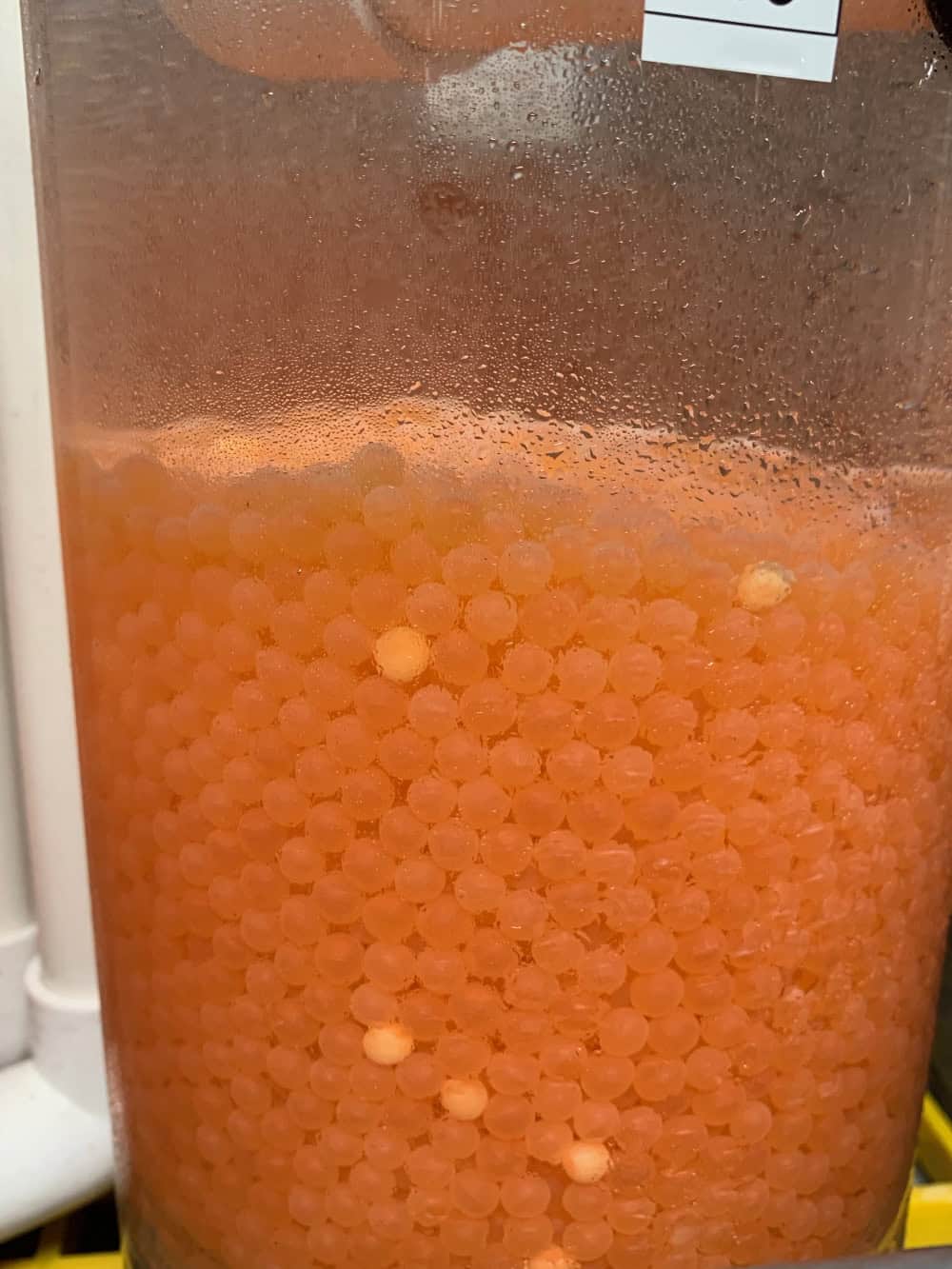
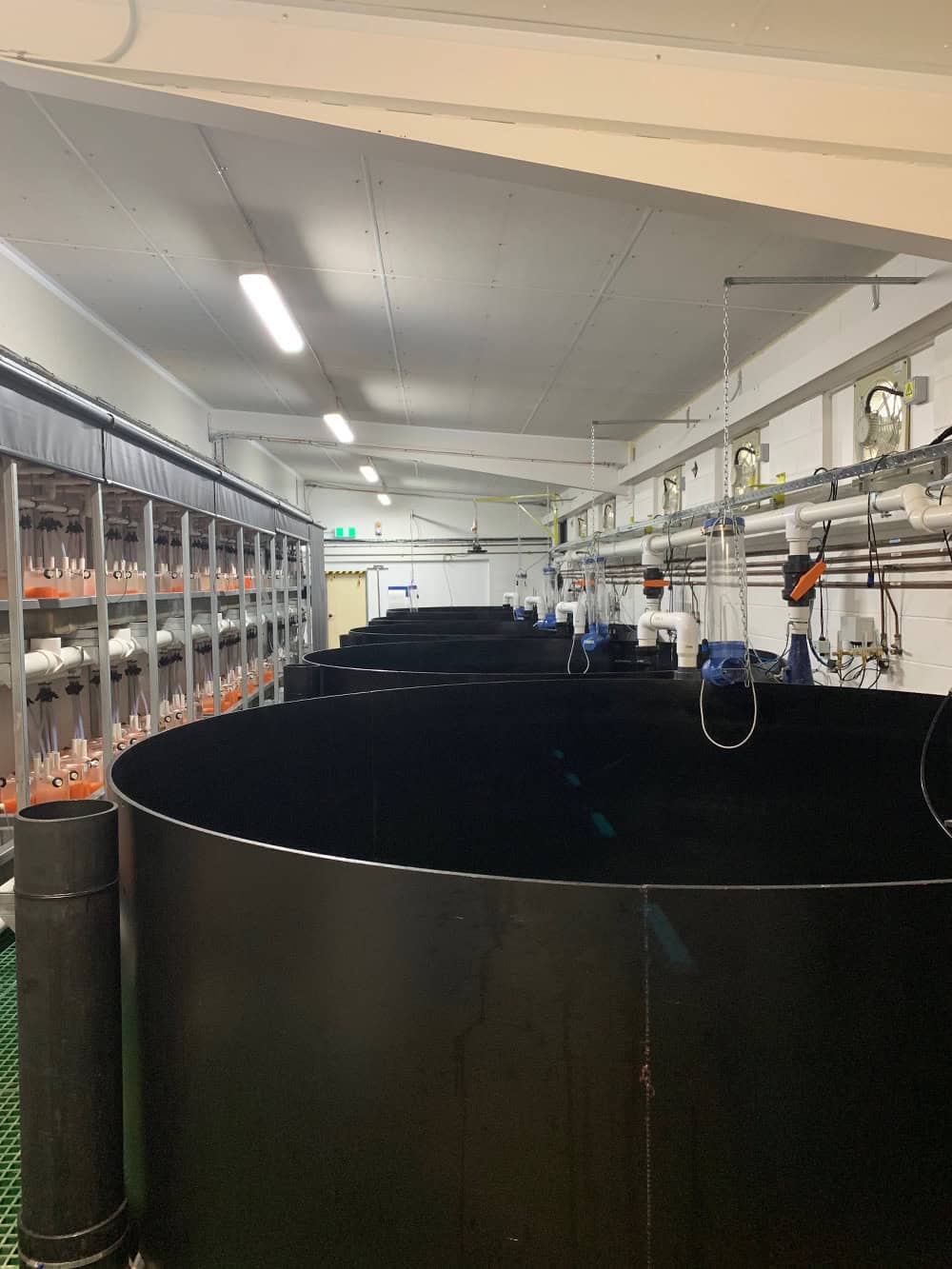
FBD commissioned a new rearing facility for the Tasmanian Salmon Selective Breeding Program at Wayatinah. The four systems were designed to hold 240 individual paired spawning groups of eggs, from fertilisation through to fully fed parr, while maintaining complete control of water quality and temperature. The egg systems allow a full season of spawning, which can run over three weeks or more, to be manipulated so that hatching occurs within a very small window, ensuring optimal control over the growth and health of all fish. Once ready to hatch, 200,000 eggs are selected and on-grown and hatched in a Comphatch system until they are ready to first feed. The fry are then transferred to the RAS system and bespoke first feeding tanks where they are grown on as desired.
Challenge
A full spawning season can run over three weeks or more, yet the eggs had to be manipulated so that hatching occurred within a very small window, with complete control of water quality and temperature and the ability to swap egg groups between systems and temperatures.
Solution
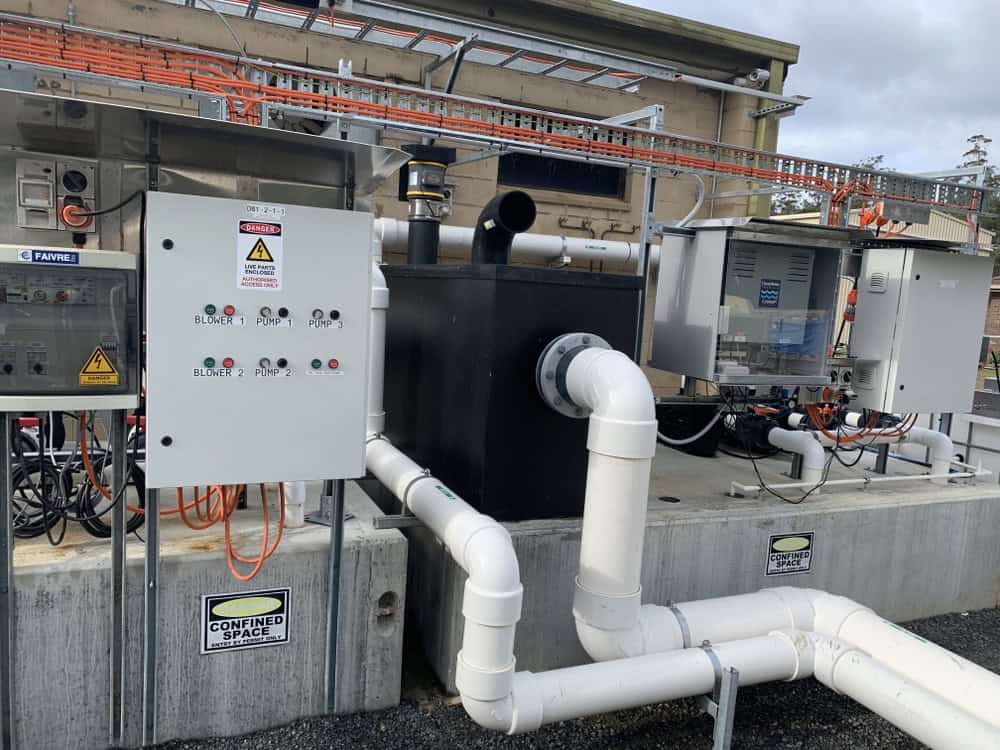
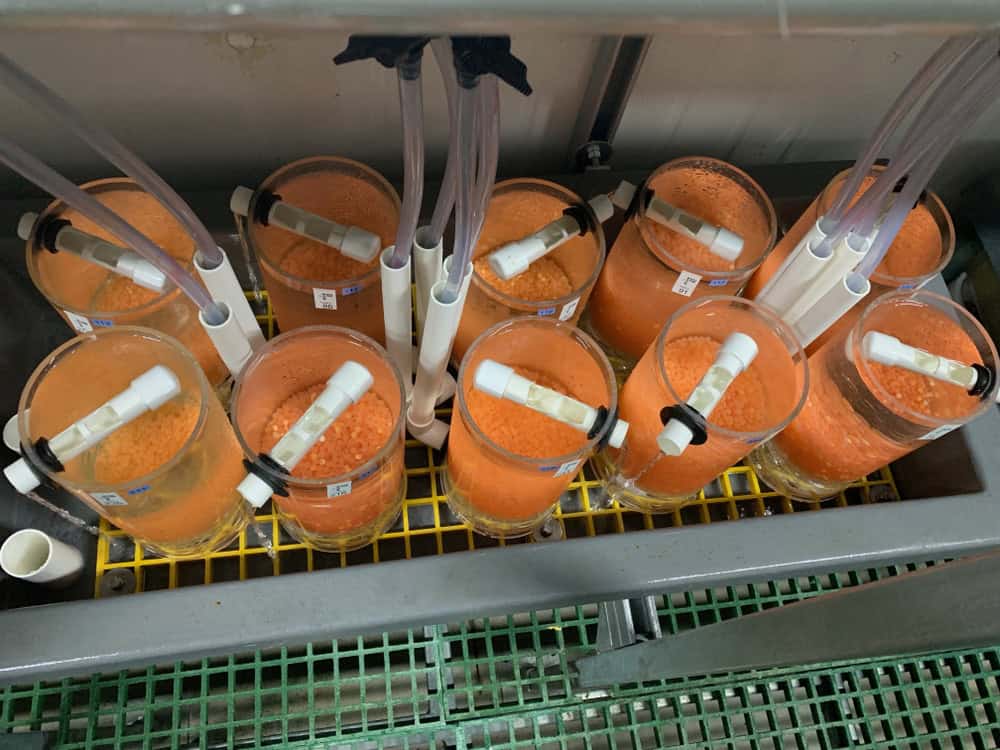
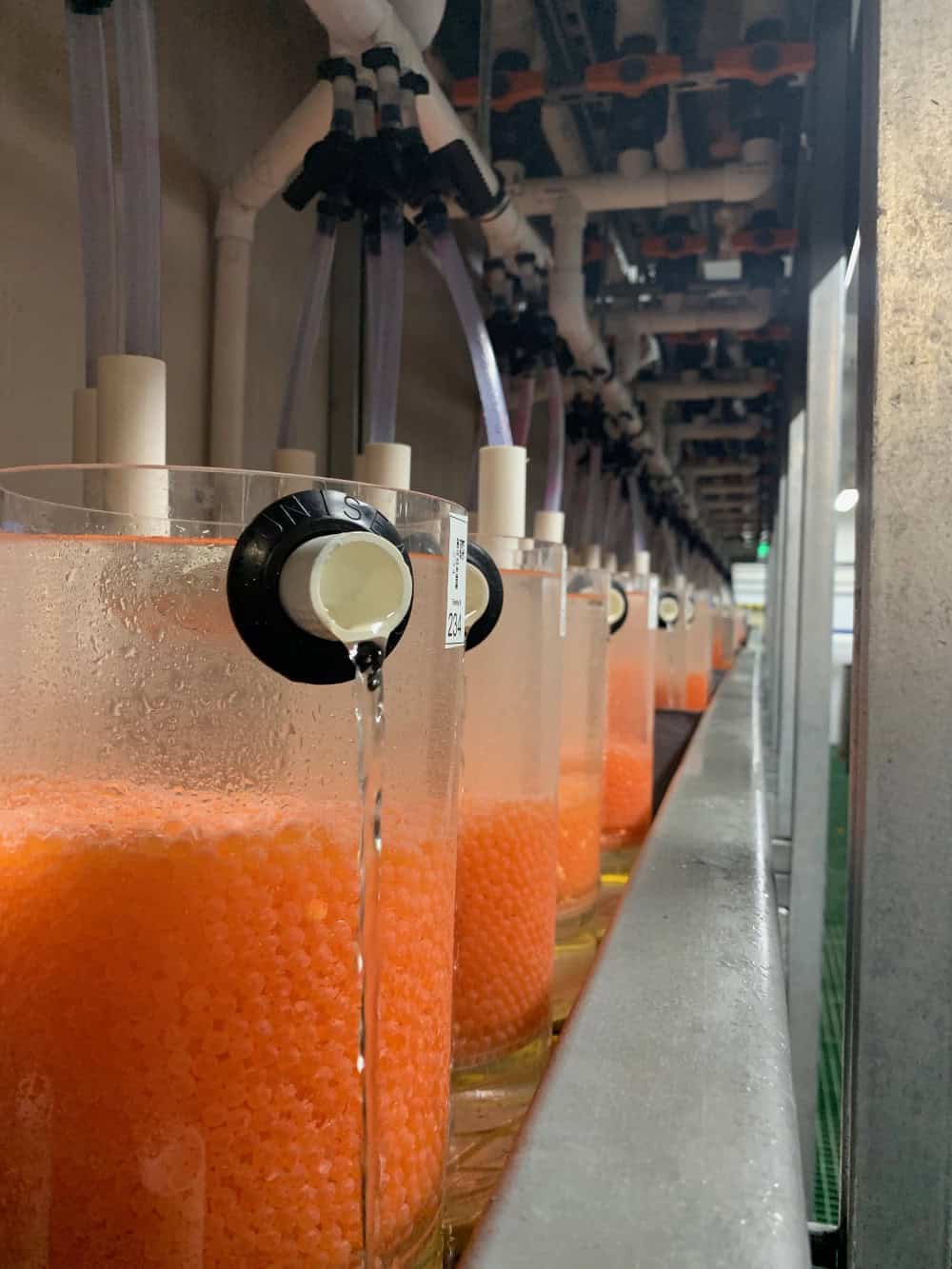
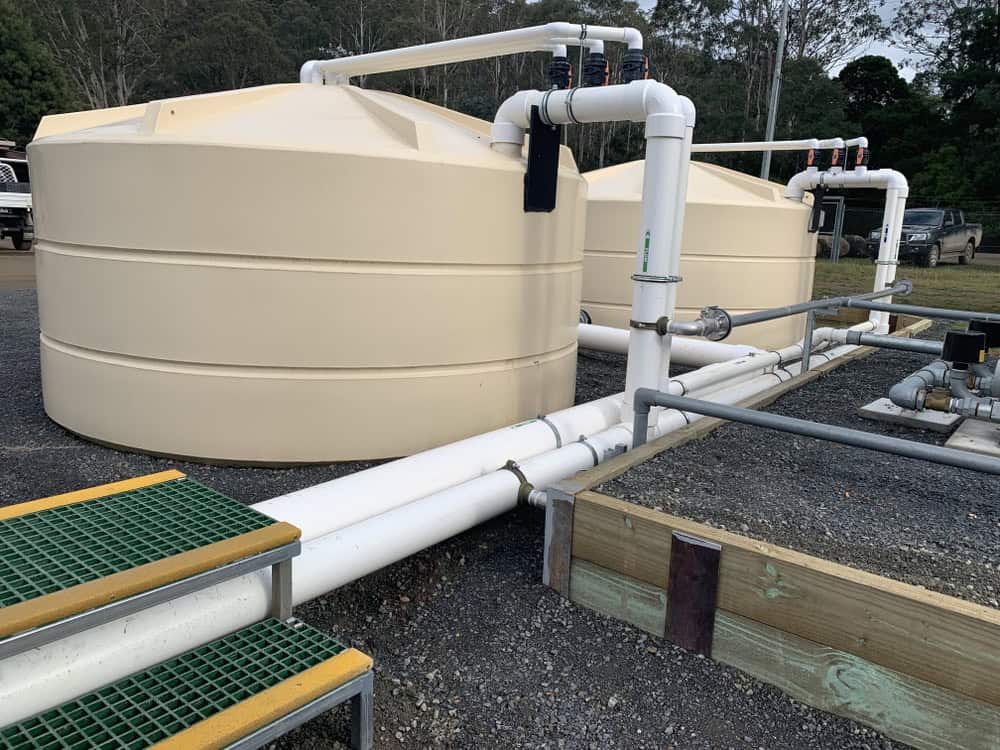
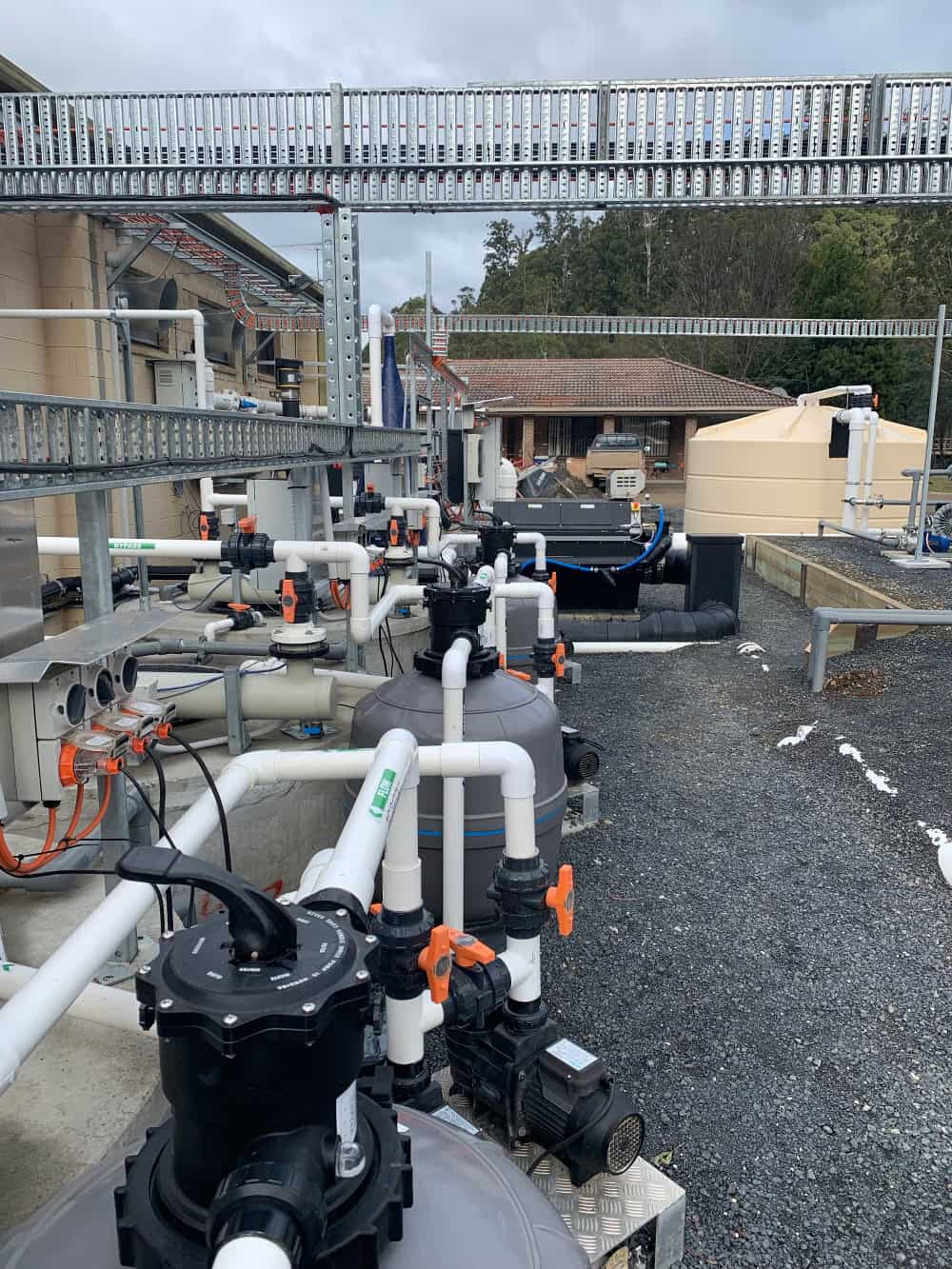
Four systems were delivered: 240 individual 4 litre egg incubators; 3 independent ‘green’ egg rearing facilities with full temperature and water quality control allowing egg groups to be swapped between systems and temperatures; one of those systems configured to hatch 200,000 alevins in an Alvestad Comphatch system through to first feeding; plus a complete RAS first feeding system for on-growing 200,000 fry in 4 distinct groups to a maximum density of 40 kg/m3 or up to 35 kg feed per day. The first feeding system used 5 x 7,000 L FBD-designed tanks, 2 in-ground concrete tanks, Waterco pumps and media filtration, a Faivre drum filter, UltraAqua UV, ClearWater Tech ozone, Arvo Tec automated feeding, OxyGuard monitoring and control of pH and oxygen, FBD oxygen cones and emergency system, dual MBBR and aeration for ammonia control, a degasser to hold CO2 within agreed limits and a pH dosing system.
Outcome
The facility has now been operating for 12 months. The egg systems allow a full spawning season to be manipulated to hatch within a very small window, giving optimal control over the growth and health of all fish. The project followed on from the successful completion of a 10 million egg holding facility and water intake system, completed in 2017.
System Size
4 systems; 240 paired spawning groups; 240 x 4 L egg incubators; 3 independent green egg rearing systems; 200,000 eggs/alevins in Comphatch; 200,000 fry in 4 groups; max density 40 kg/m3 or up to 35 kg feed/day; 5 x 7,000 L first feeding tanks; 2 in-ground concrete tanks
Key Equipment
Project Partners