
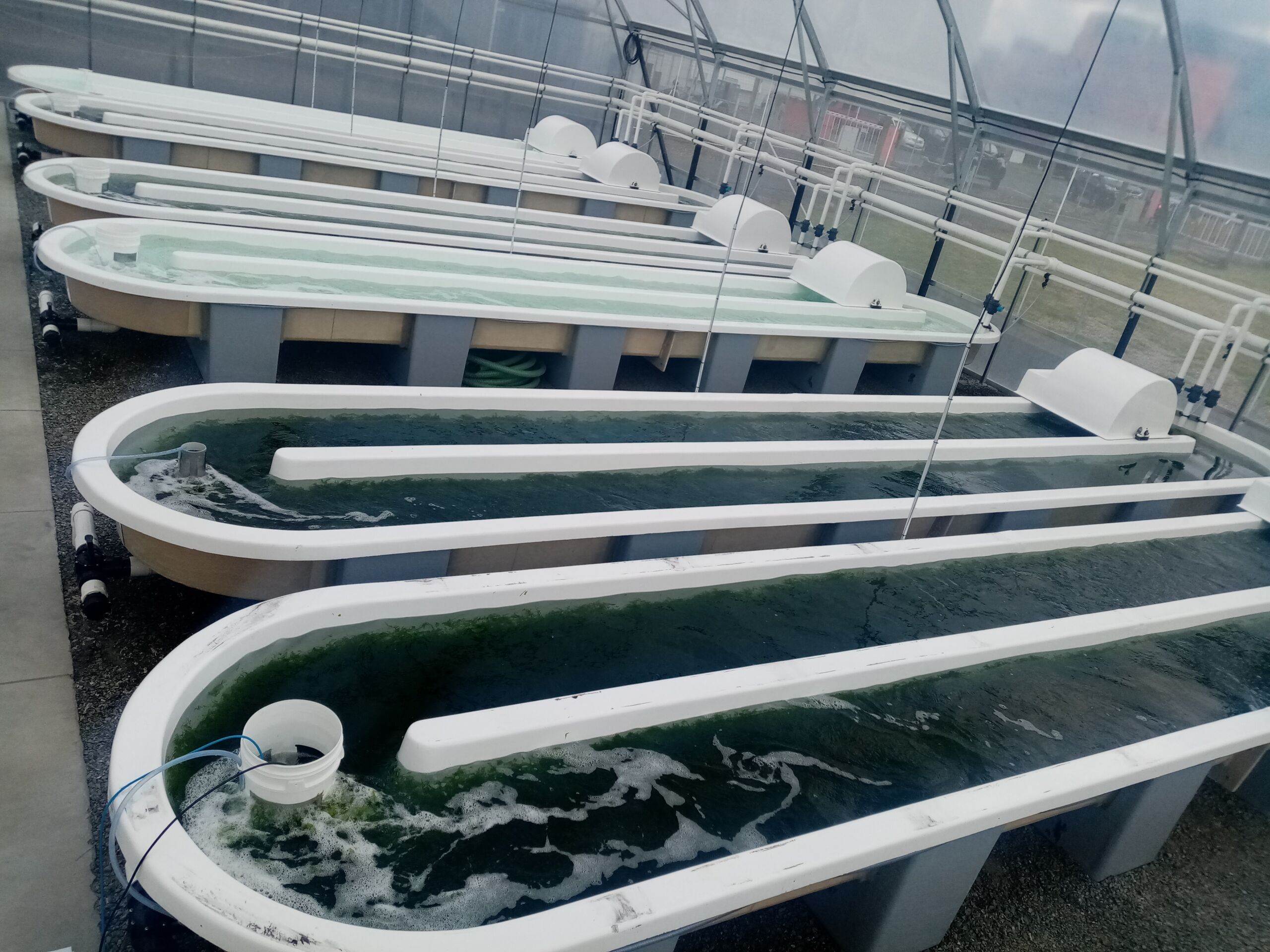
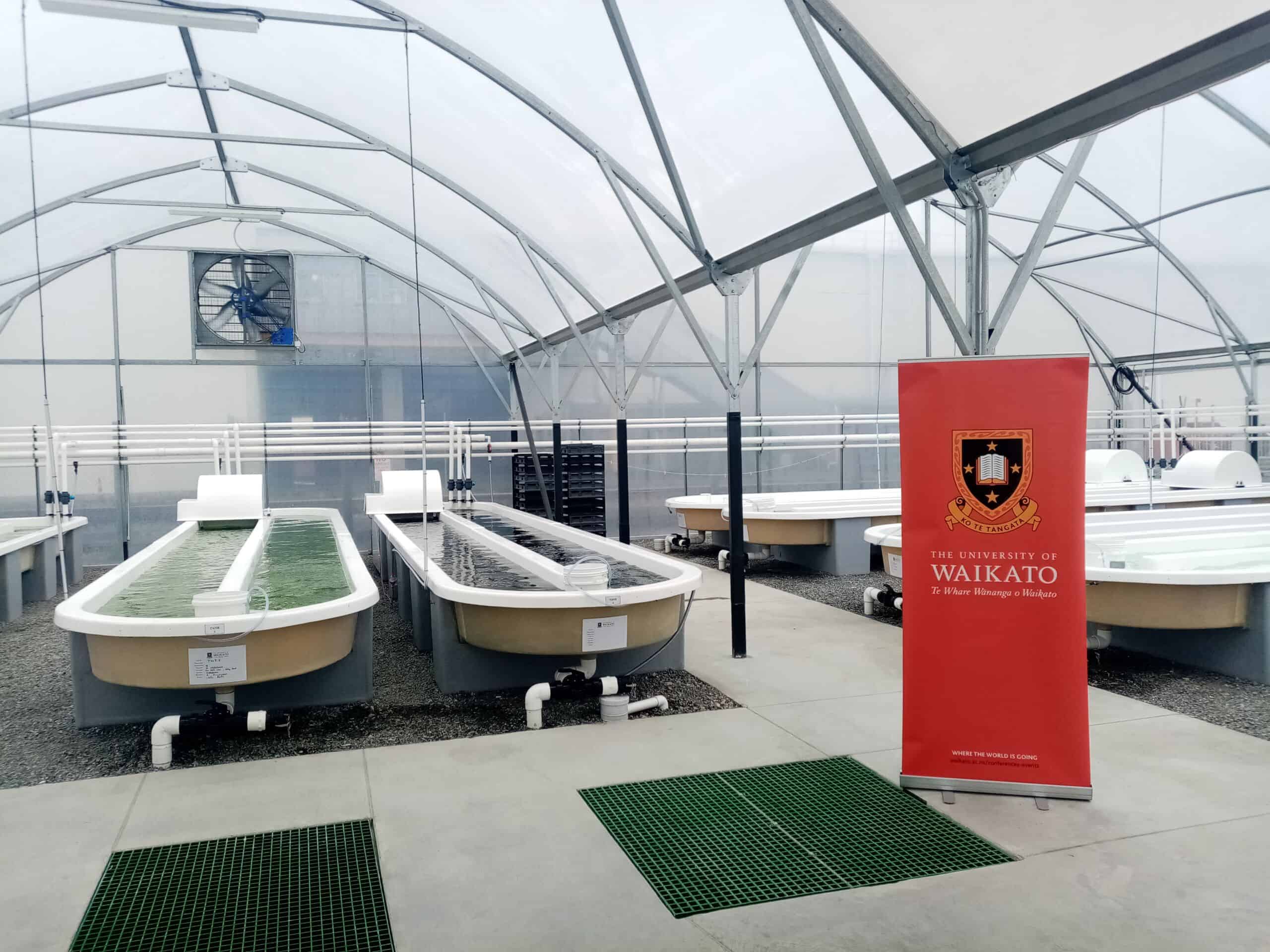
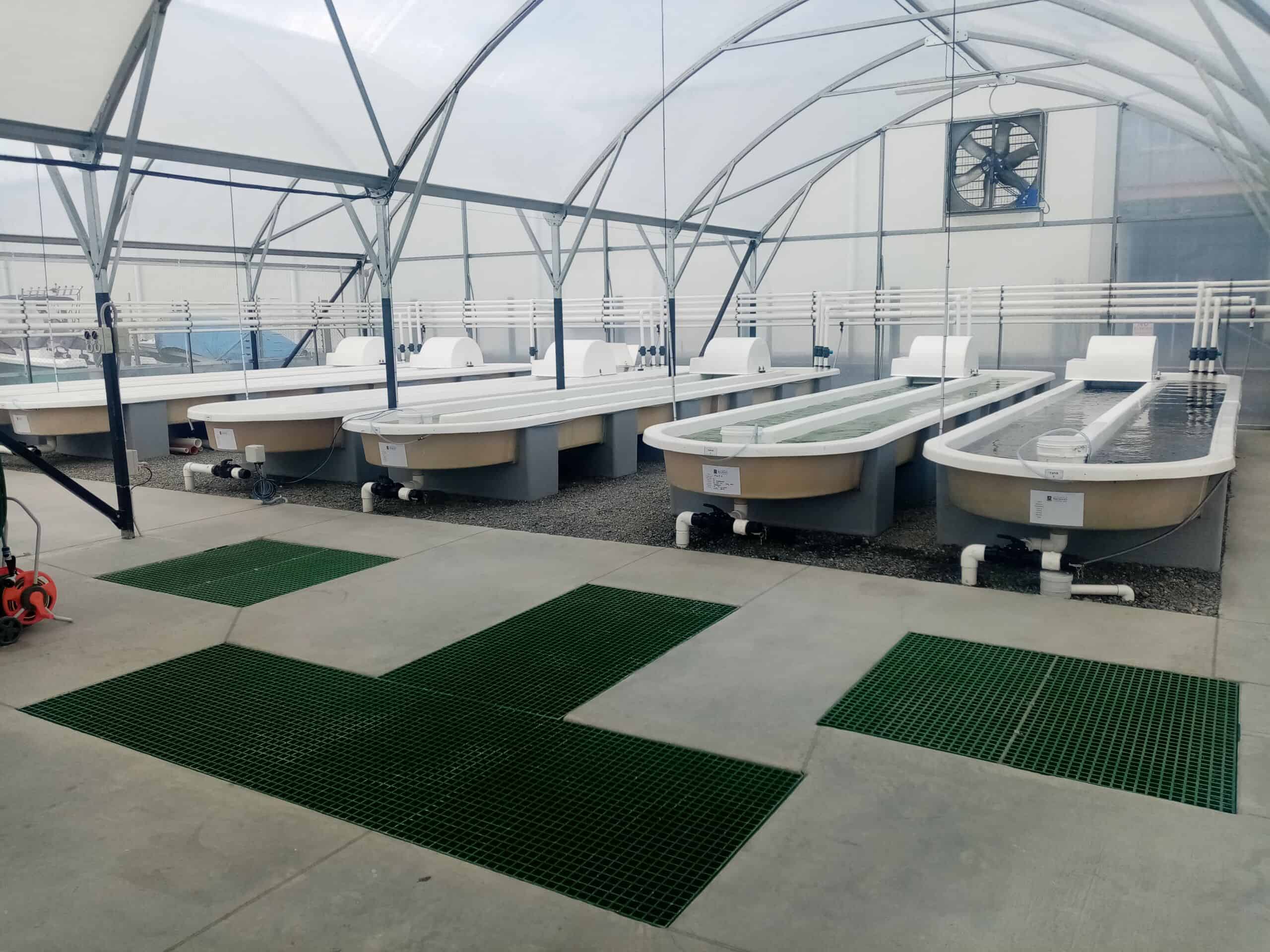
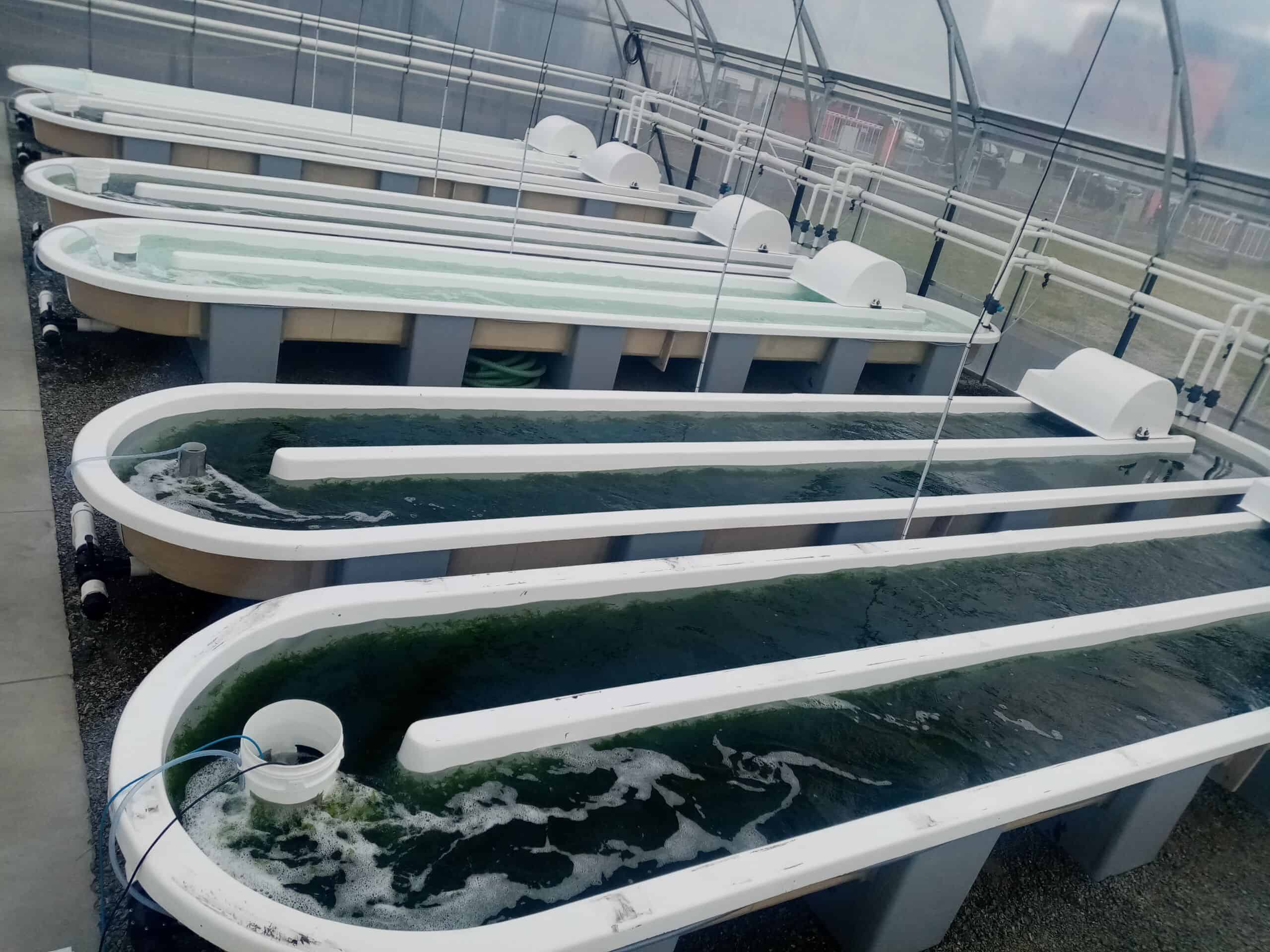
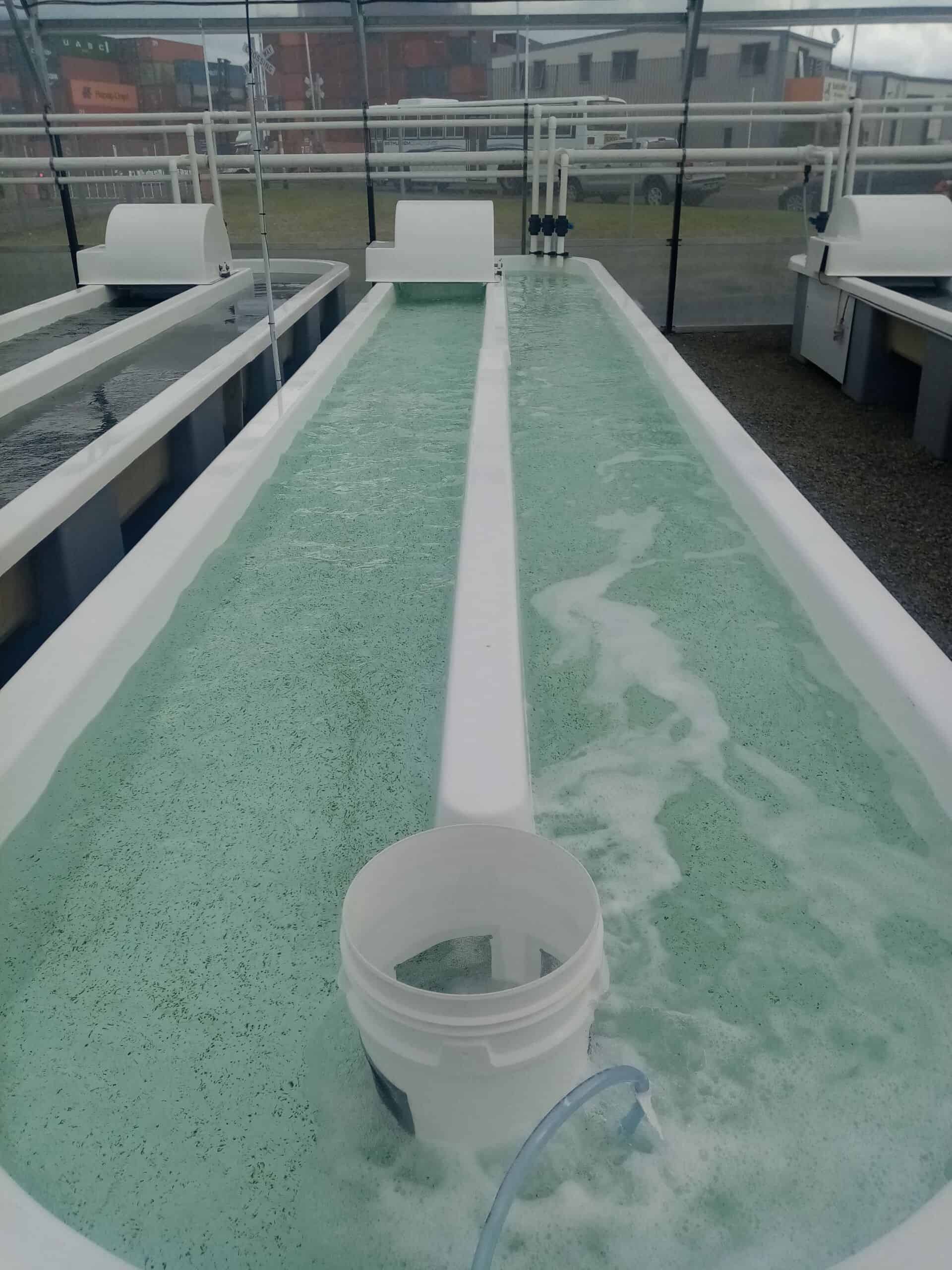
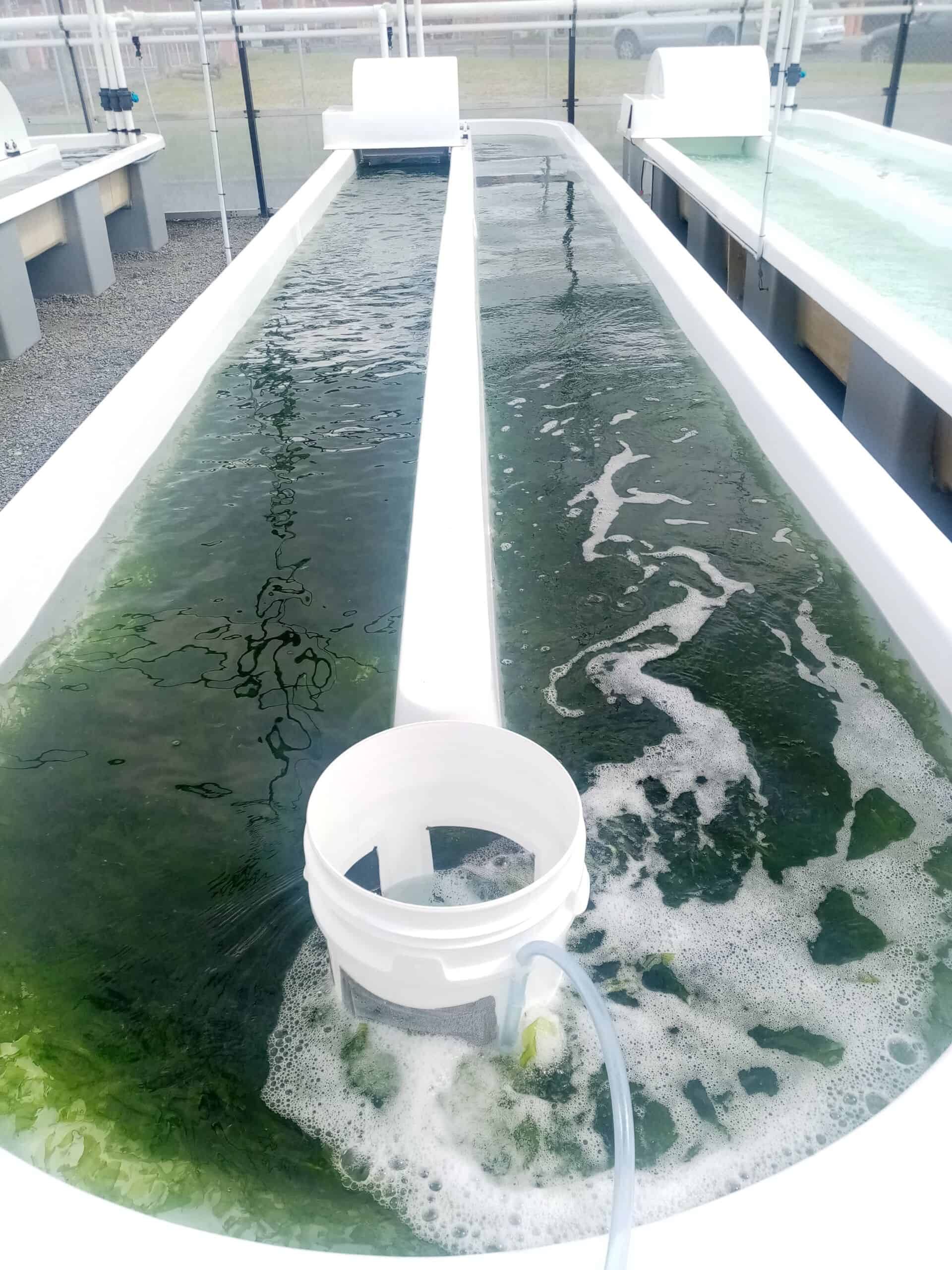
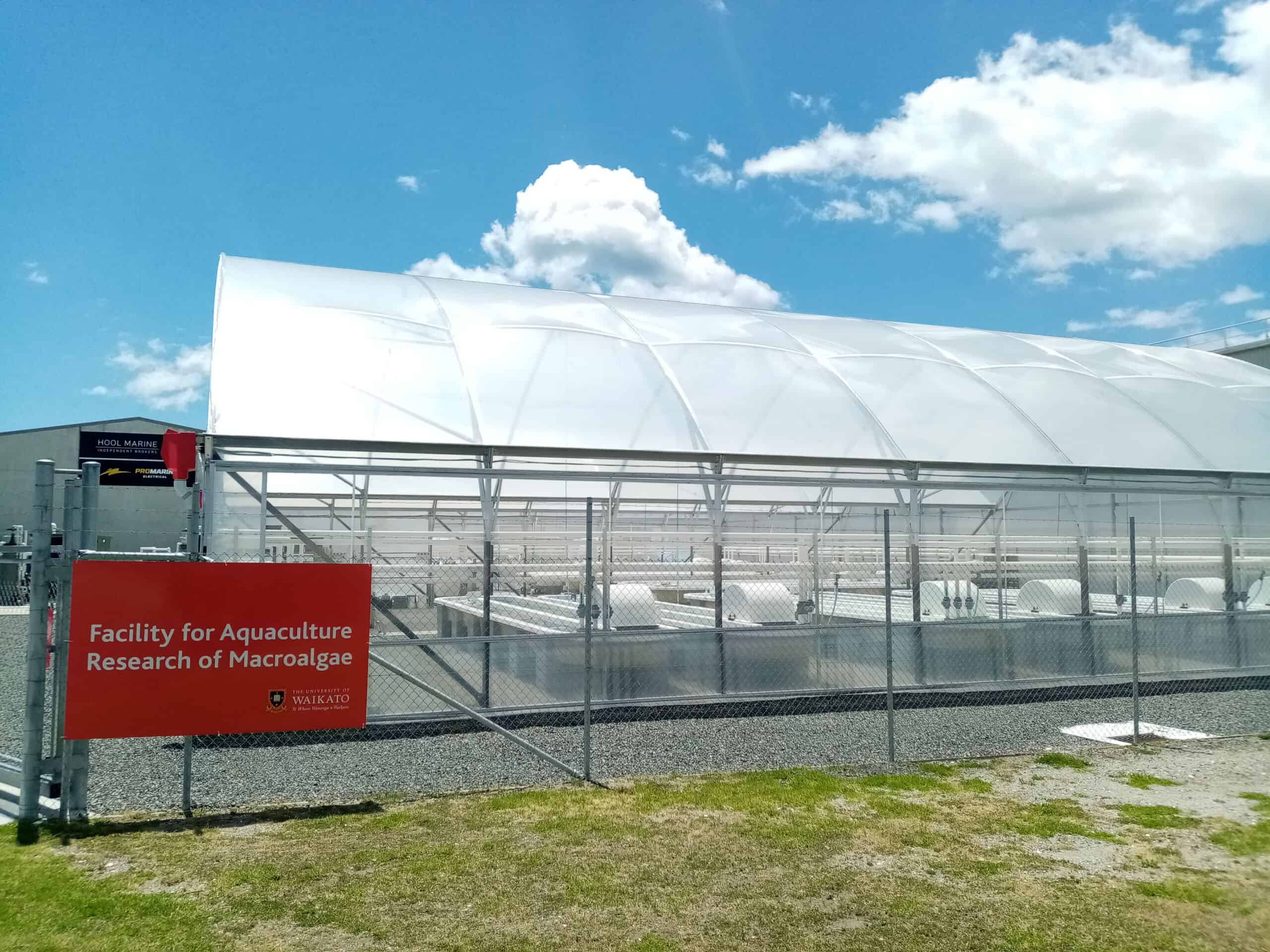
FBD was contracted by the University of Waikato to supply and construct a state-of-the-art Recirculating Aquaculture System (RAS) for the Facility of Aquaculture Research of Macroalgae in Tauranga, New Zealand. This comprised two identical, bespoke algae research systems for either fresh or saltwater use, housed in locally sourced greenhouses using reverse cycle heat pumps for temperature control. The cultivation research is focused on the development of sustainable technologies to enable the production of marine and freshwater macroalgae for biomass applications, ultimately delivering on New Zealand national targets to diversify the local aquaculture industry. The primary species grown are the freshwater alga Oedogonium and the seaweed Ulva (sea lettuce). Research into uses of the produced biomass focuses on incorporating algal bioproducts into human and animal health and nutrition, plant health and biostimulants, and materials.
The project was due to start just as international flights were cancelled and countries began to lock down. Key FBD staff could not be on site, so the build had to be run using remote project management, and the project also included a partial redesign of the building method late in the programme. The systems also had to run on either fresh or saltwater and accept various sources of wastewater for treatment and remediation trials.
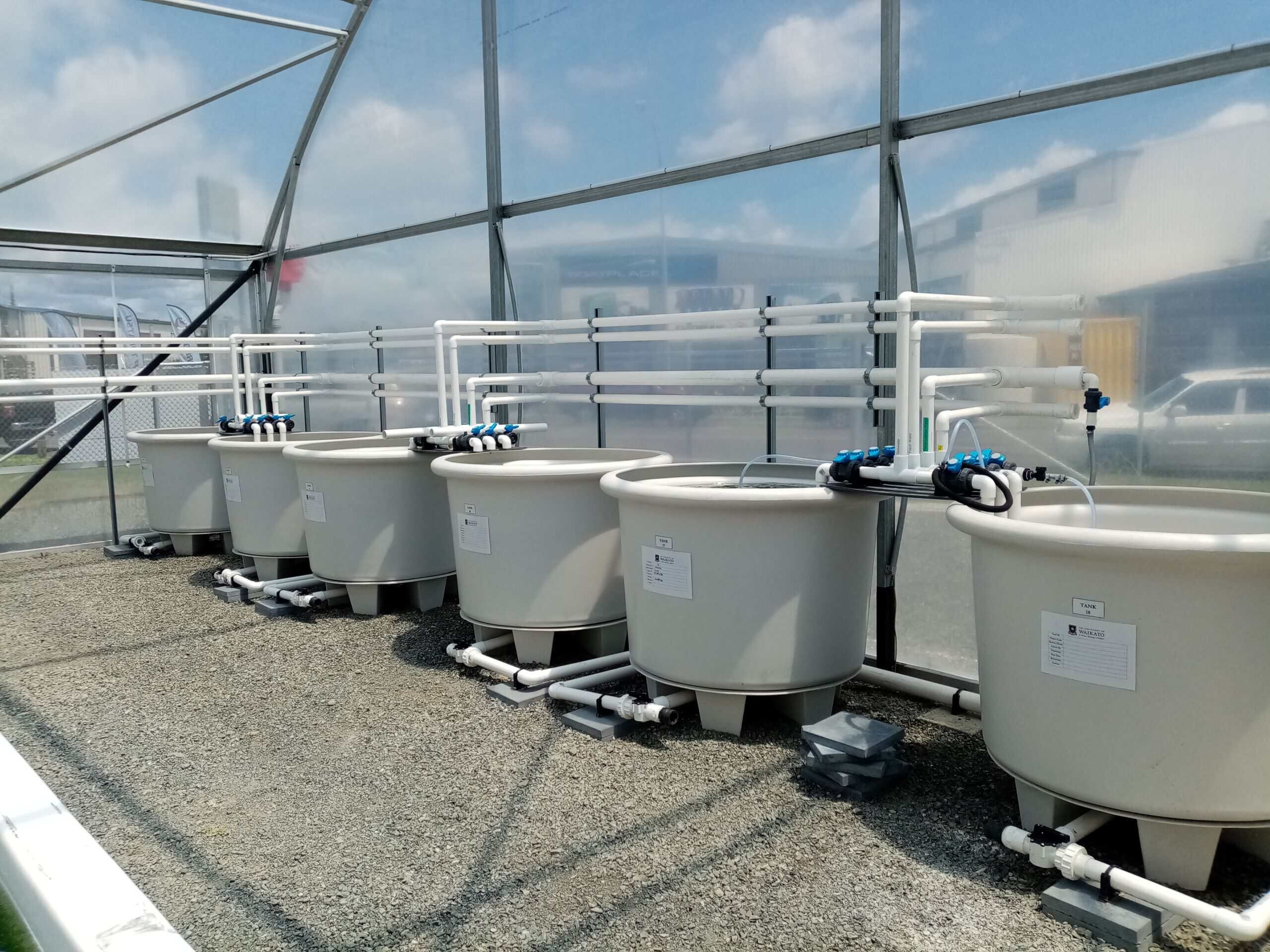
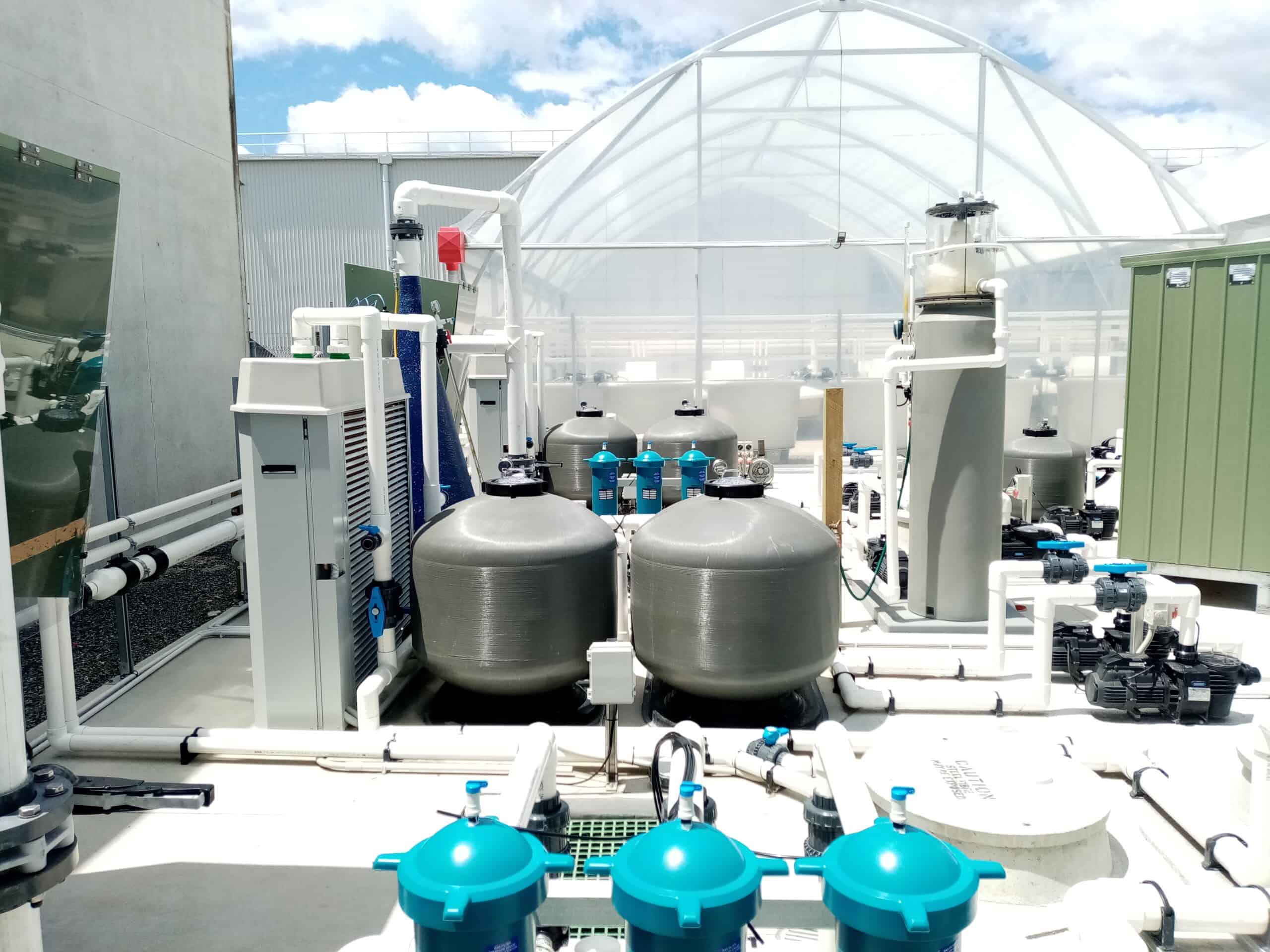
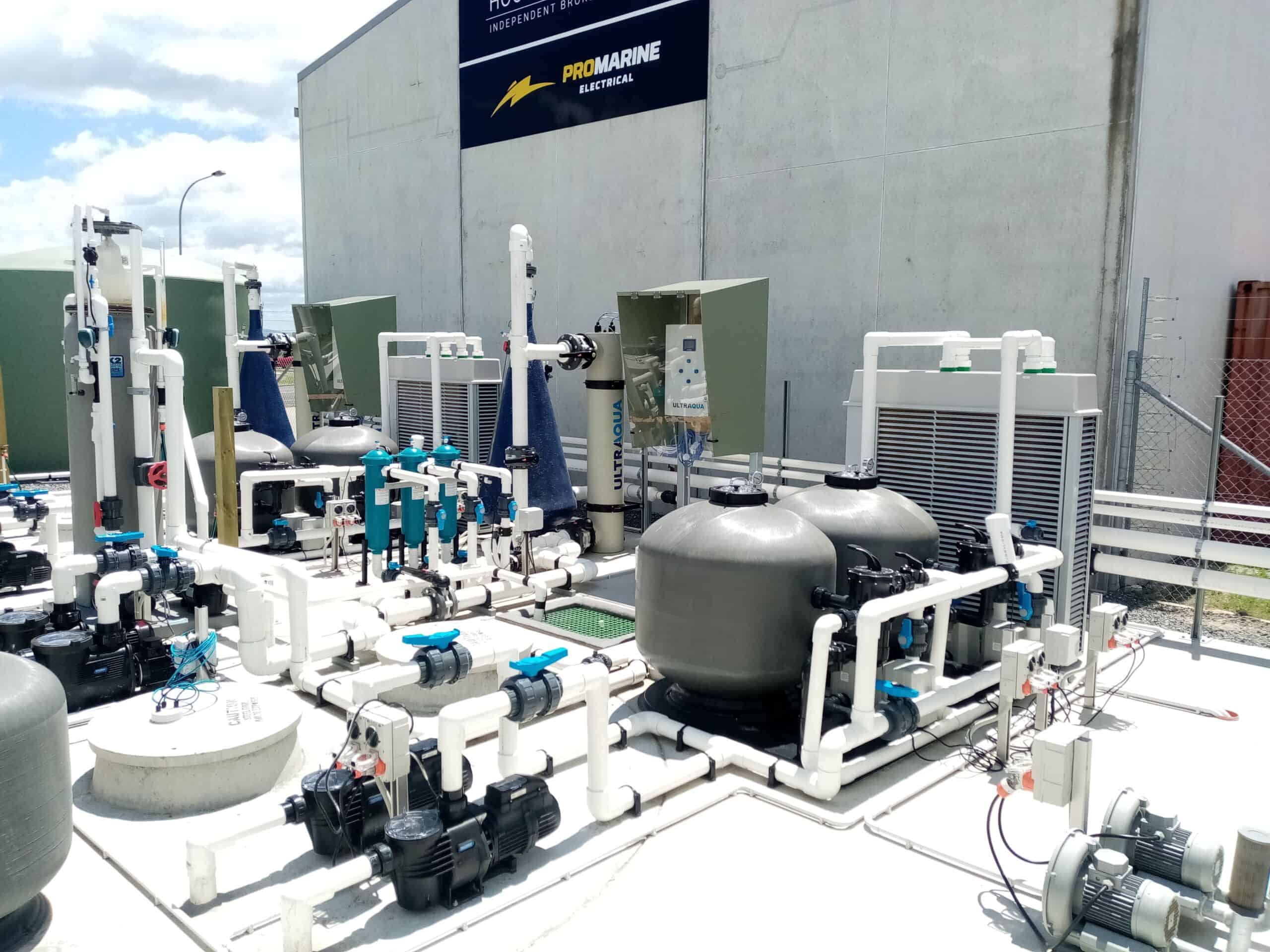
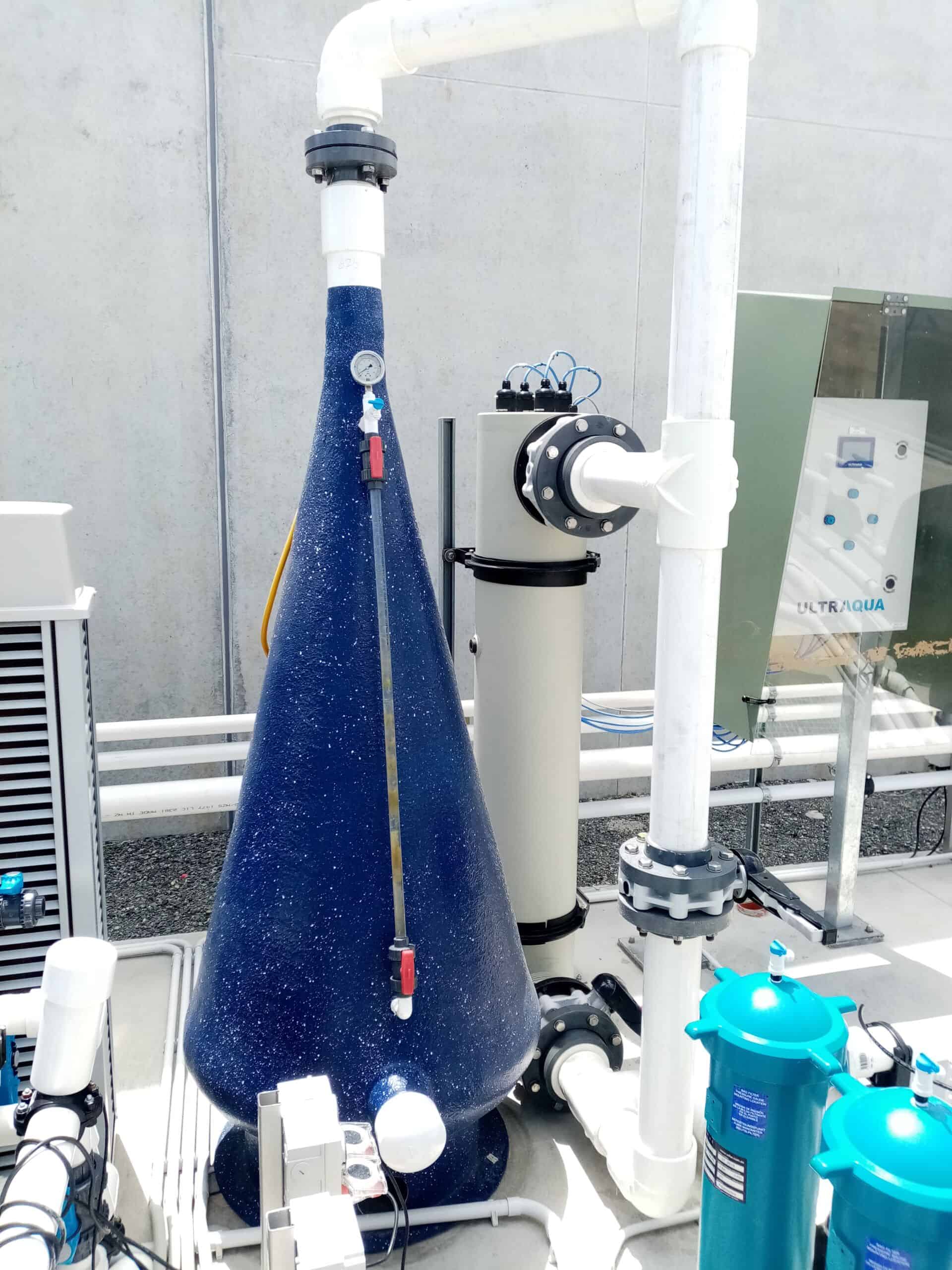
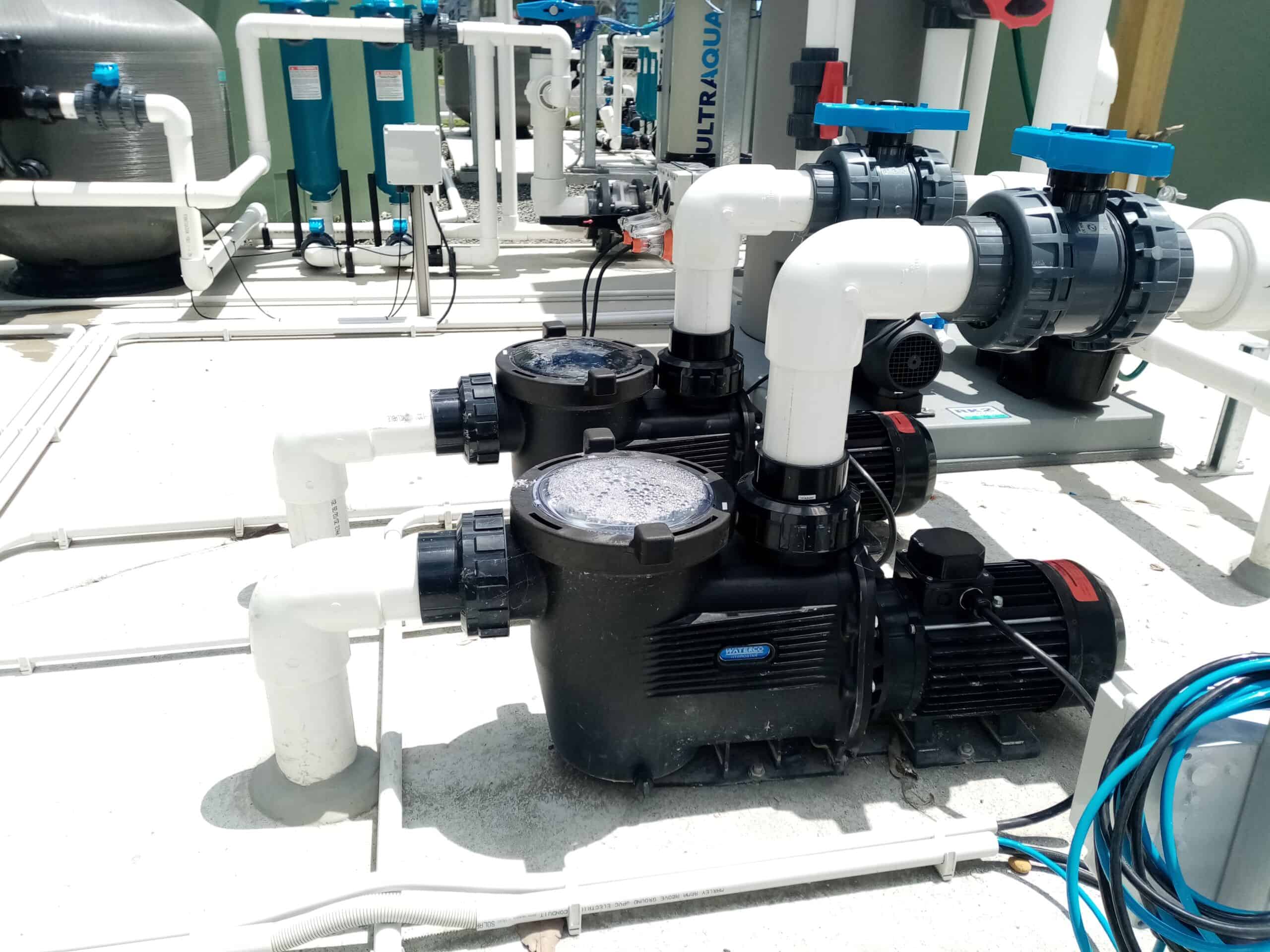
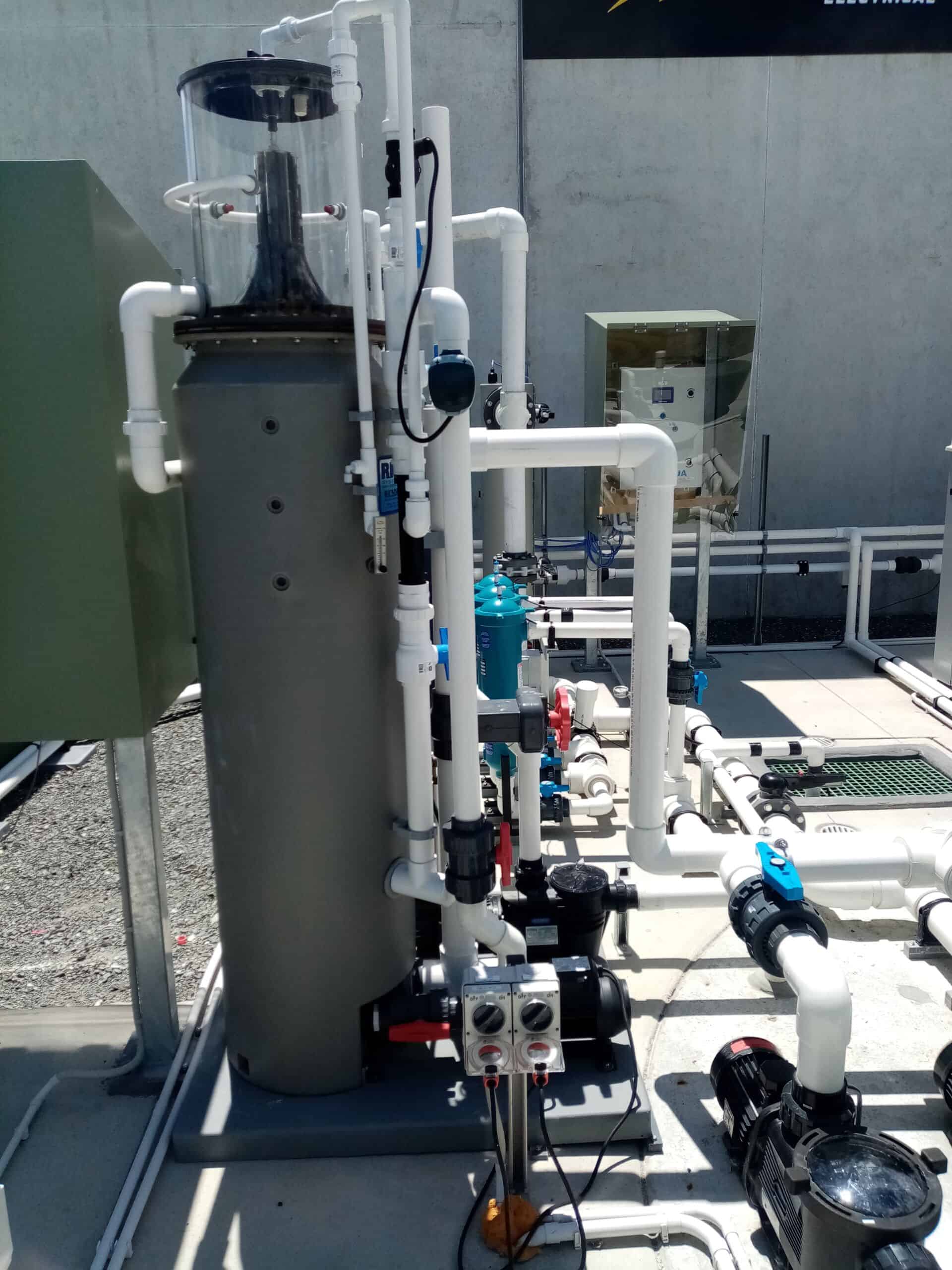
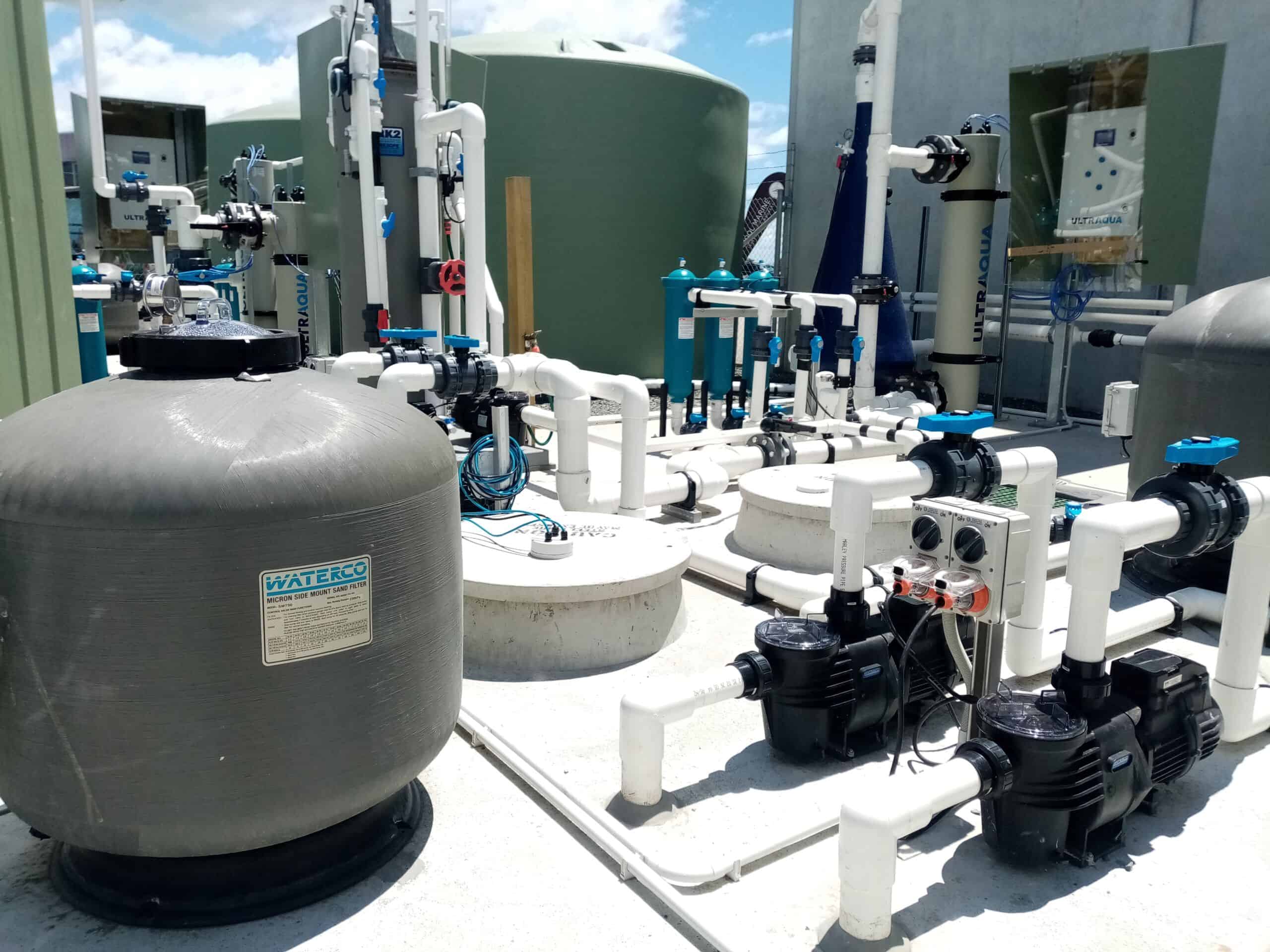
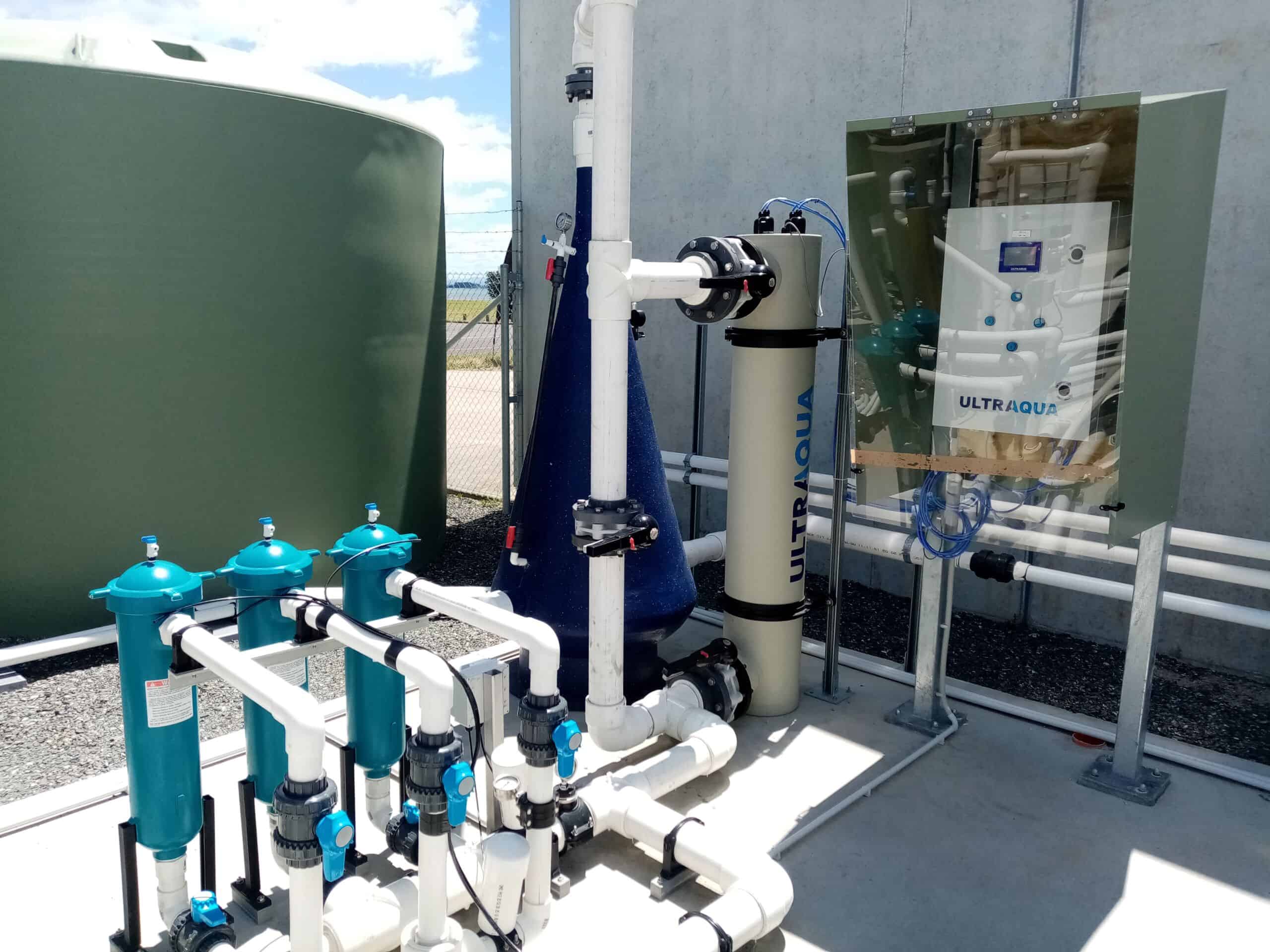
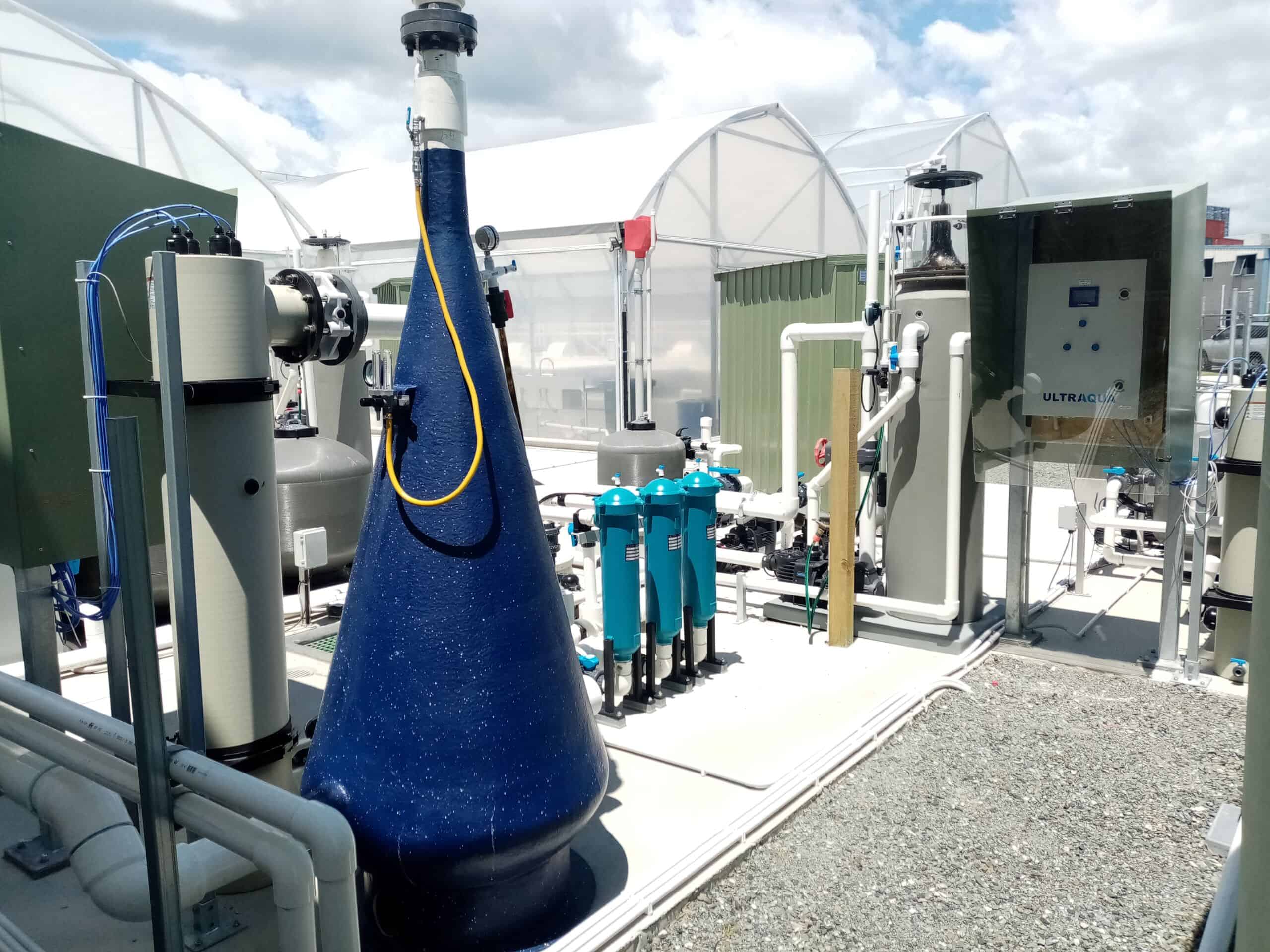
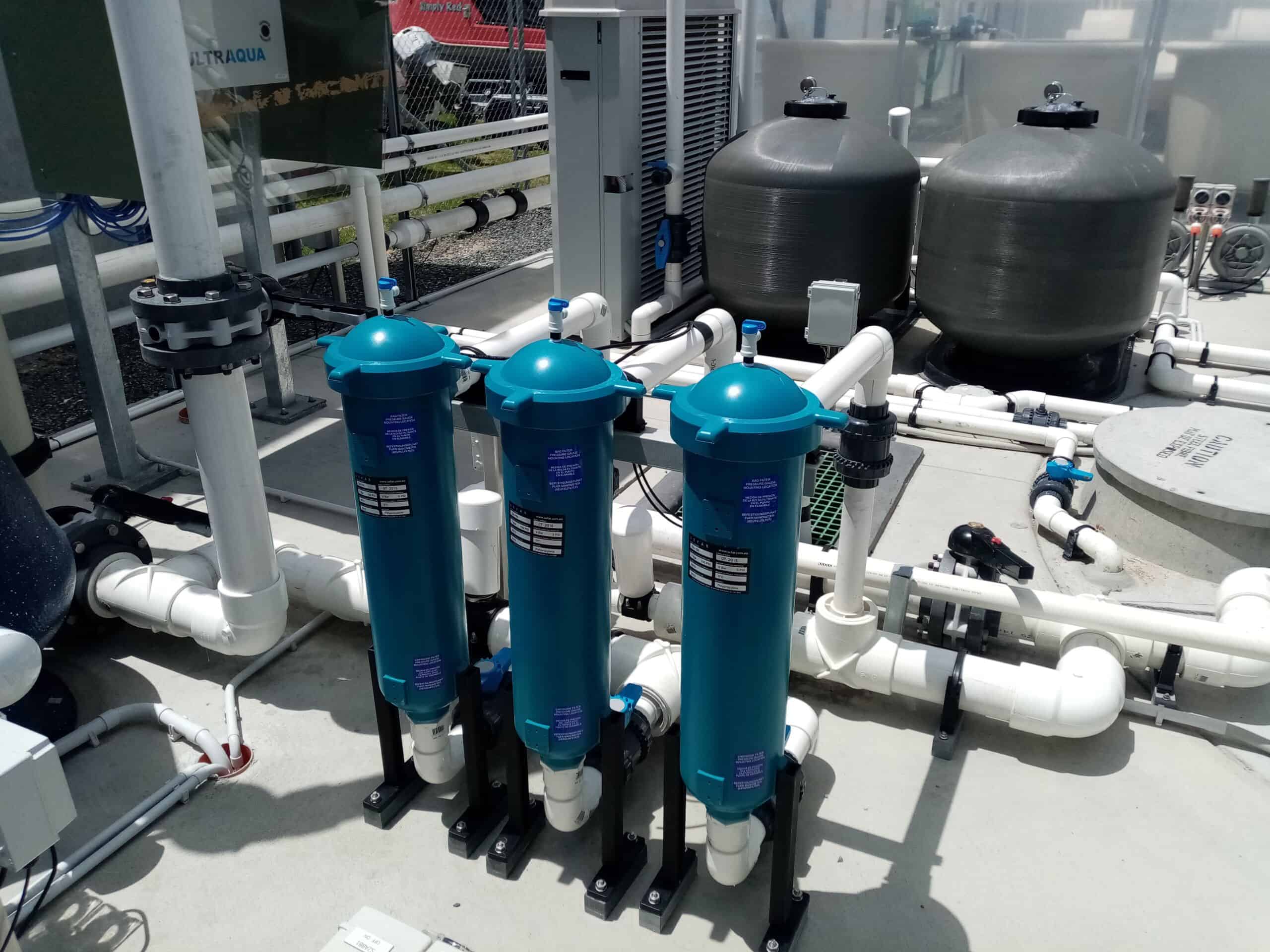
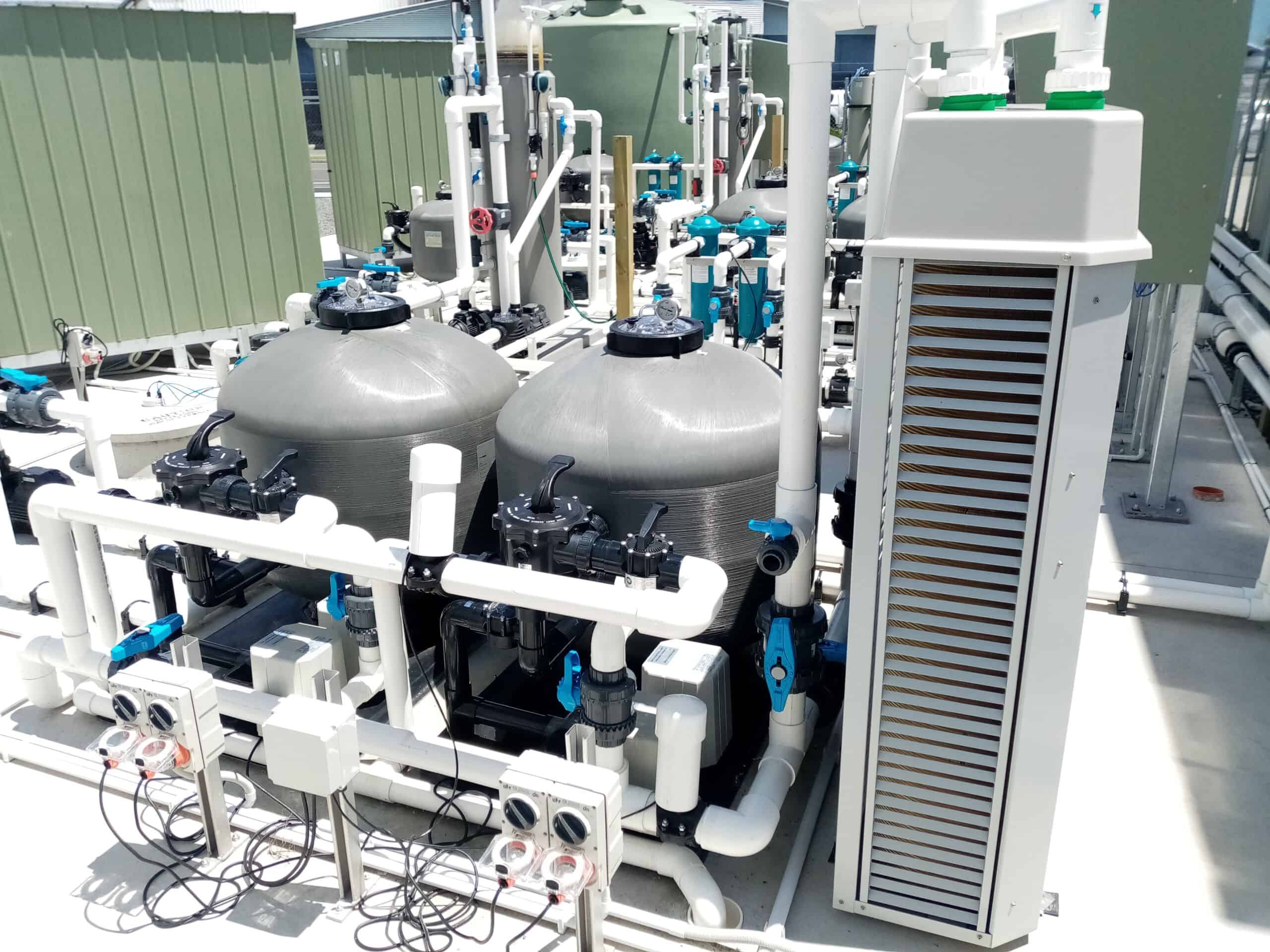
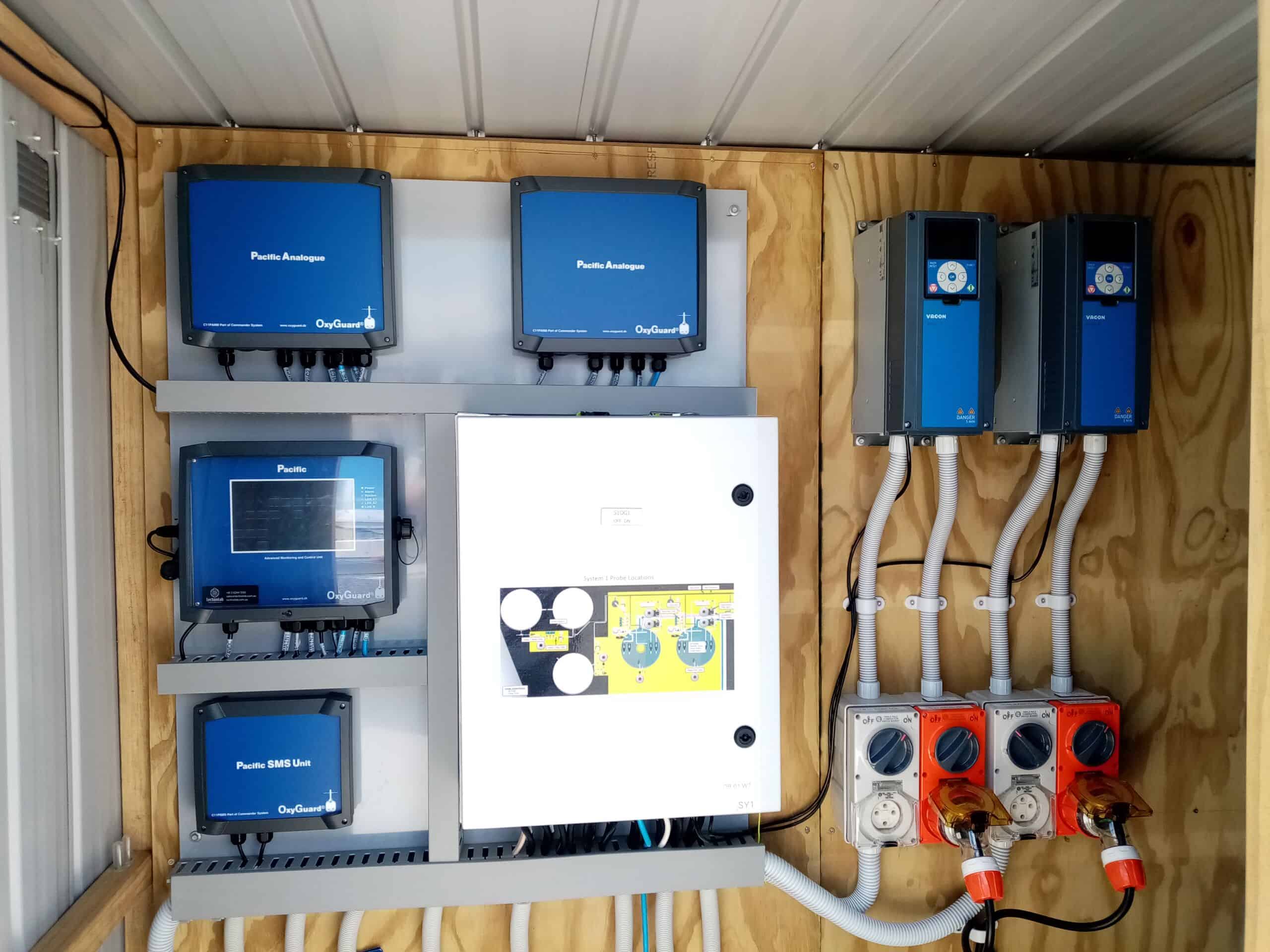
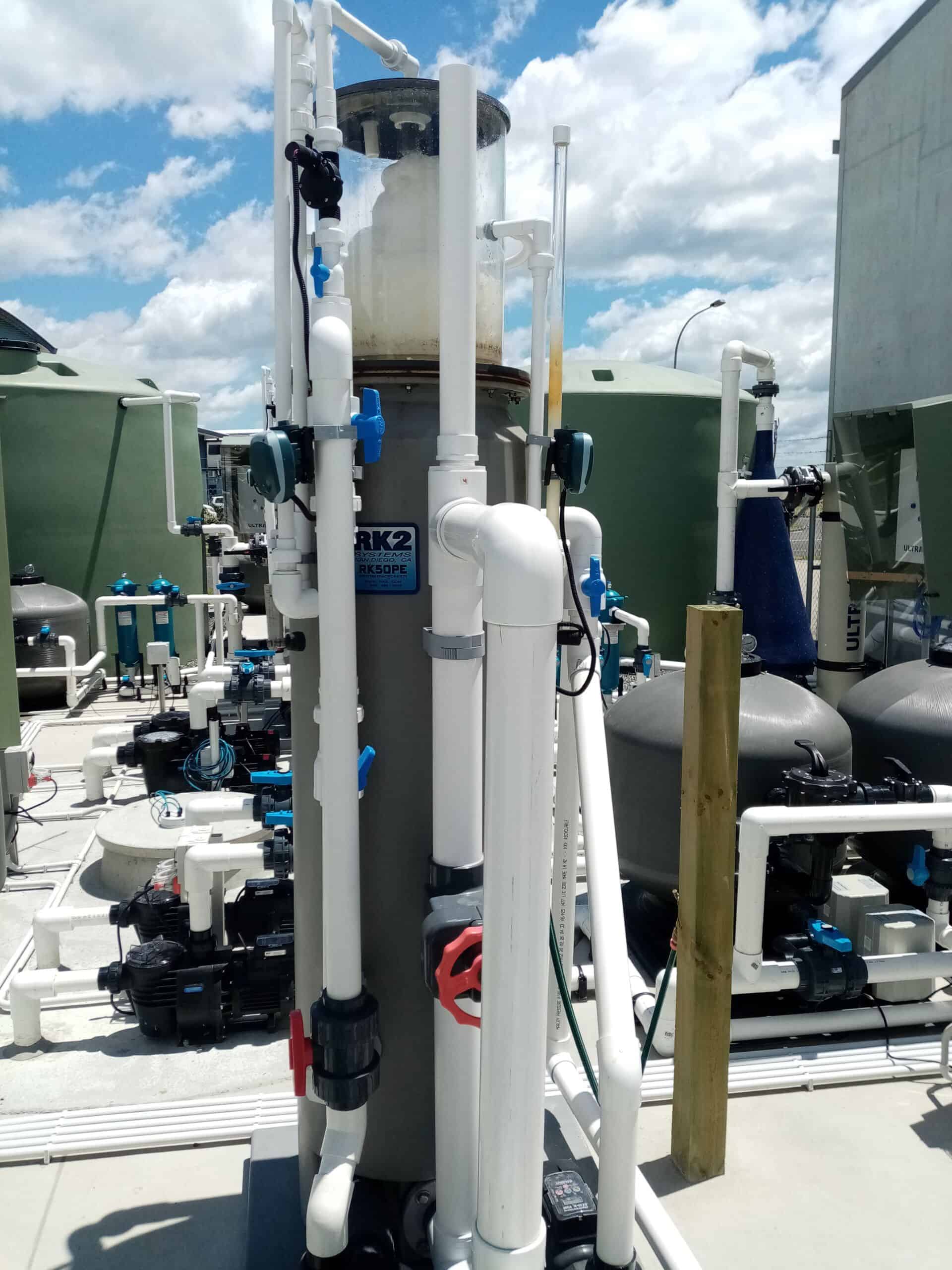
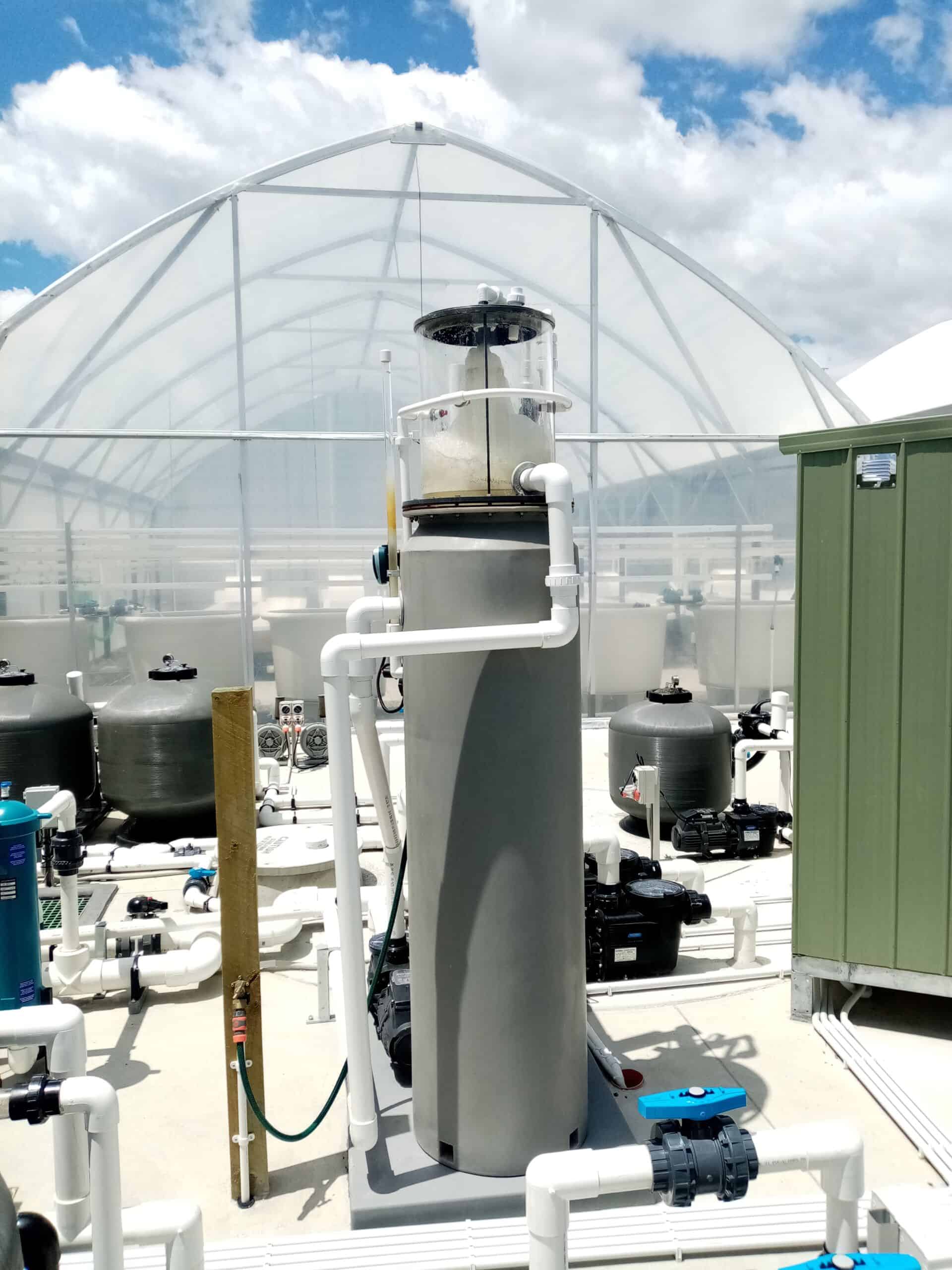
Two identical RAS systems were supplied and constructed, each with 6 x 7,000 L high-rate algal pond (HRAP) tanks from Ajay Fibreglass and 6 x 1,000 L Duraplas tanks. Each system included direct CO2 control via FBD injection systems with PID control, RK2 foam fractionators, Ultra Aqua UV, Waterco Aquabiome and media filters with AFM media, Waterco pumps with inbuilt and stand-alone Vacon VFD control, FSI bag filters, Oasis heat pumps and FBD oxygen cones. A dual intake water treatment system was built for both saltwater and freshwater, with Devan storage tanks, dechlorination, Ultra Aqua UV, Waterco media filters and pumps, plus bypass options. Monitoring and control was via dual OxyGuard Pacific units measuring pressure, flow, pH, salinity and temperature, with ultrasonic level measurement in sumps and storage tanks.
The facility was completed and officially opened. The RAS systems were built and operating between May and July 2020 despite Covid-19 restrictions and without key FBD staff on site, using remote project management. A high level of locally sourced New Zealand products was used, including chillers, pumps, filters, storage tanks and sumps, along with local installation expertise.
Fresh by Design were engaged at the vision conception stage to provide preliminary guidance which progressed to high level design, engineering and construction for all the RAS and greenhouses. Their expertise was critical when working with all other contractors to make effective decisions on the wider building, plumbing and electrical requirements to support the RAS systems. FBD remained proactive and solutions orientated throughout the process, which included a partial redesign building method late in the project whilst also navigating Covid-19 restrictions to get the RAS systems built and operating between May and July 2020, even though key FBD staff could not be onsite, instead utilising remote project management. We appreciate their ongoing support with the project and would be happy to work with them again.
Fresh by Design were engaged at the vision conception stage to provide preliminary guidance which progressed to high level design, engineering and construction for all the RAS and greenhouses. Their expertise was critical when working with all other contractors to make effective decisions on the wider building, plumbing and electrical requirements to support the RAS systems. FBD remained proactive and solutions orientated throughout the process, which included a partial redesign building method late in the project whilst also navigating Covid-19 restrictions to get the RAS systems built and operating between May and July 2020, even though key FBD staff could not be onsite, instead utilising remote project management. We appreciate their ongoing support with the project and would be happy to work with them again.